Cover Site Prep & Utilities: The Pasadena Owner’s Guide
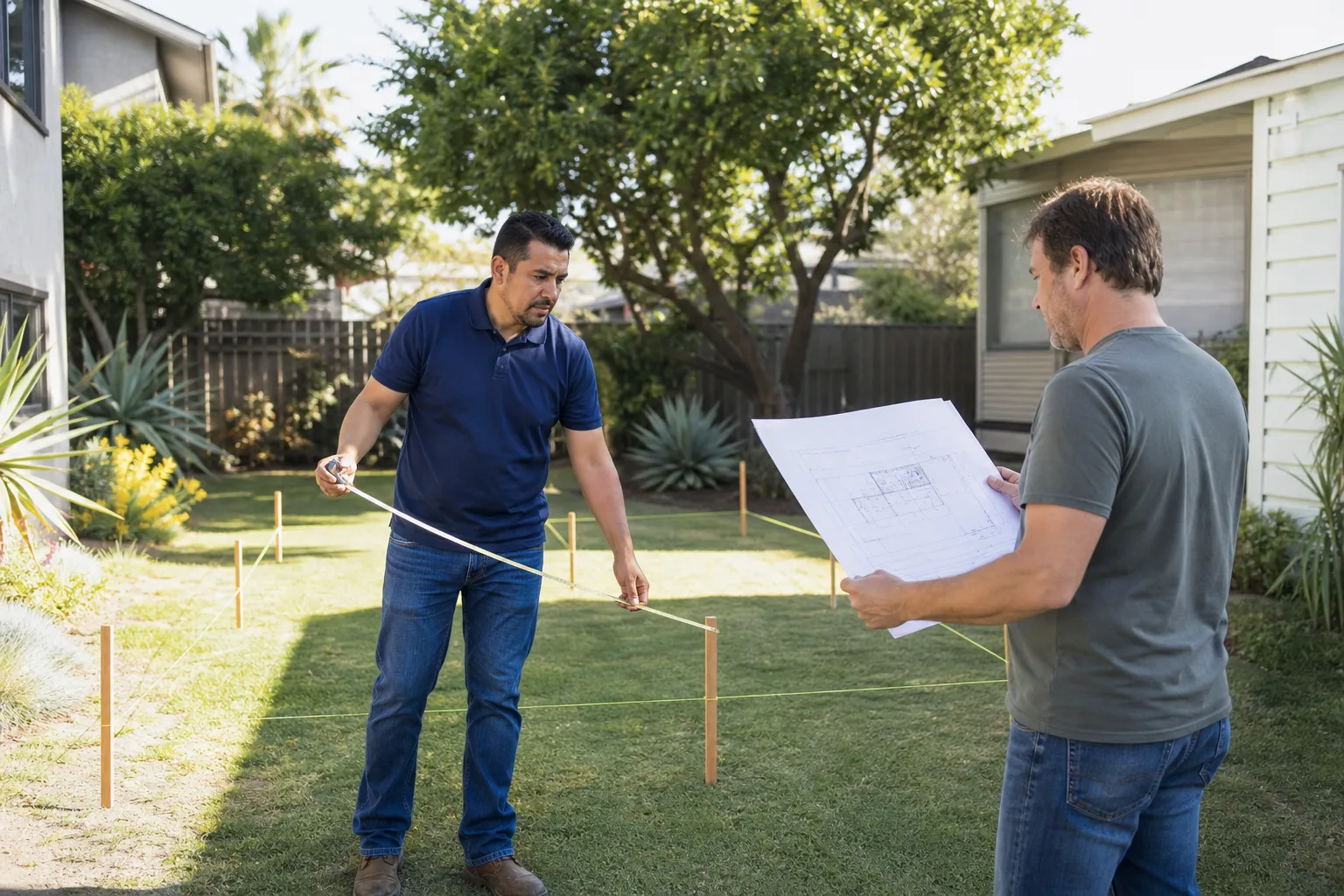
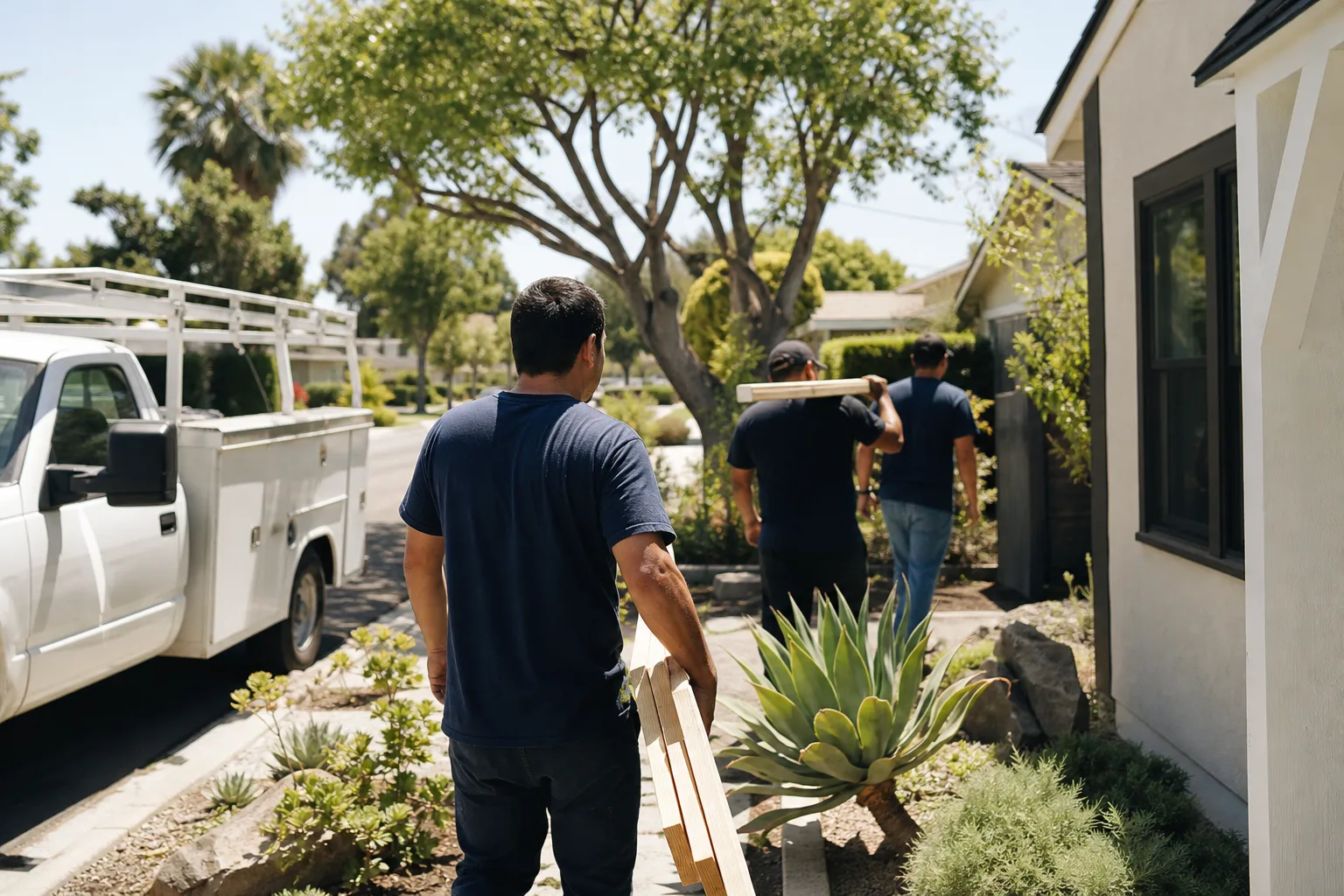
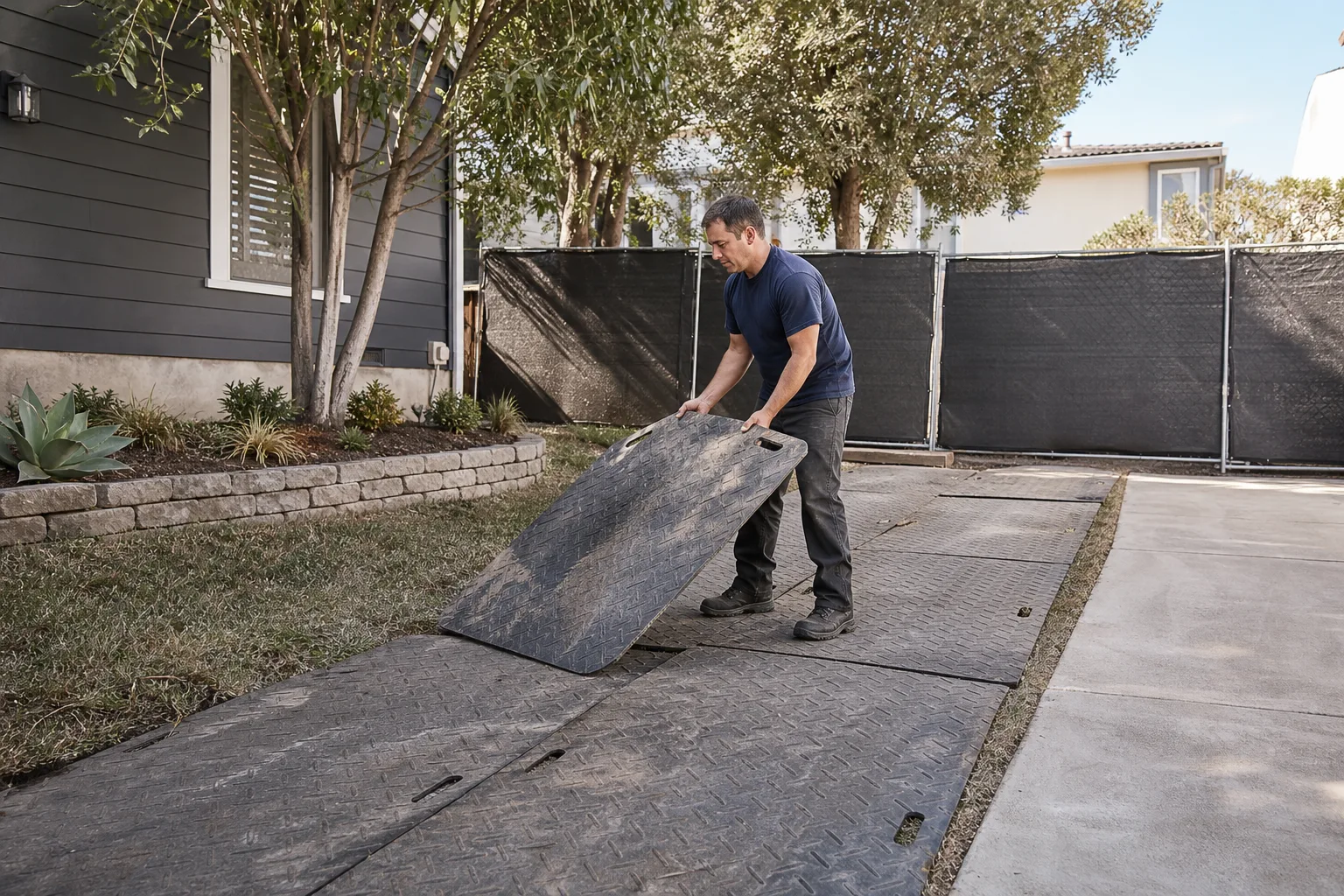
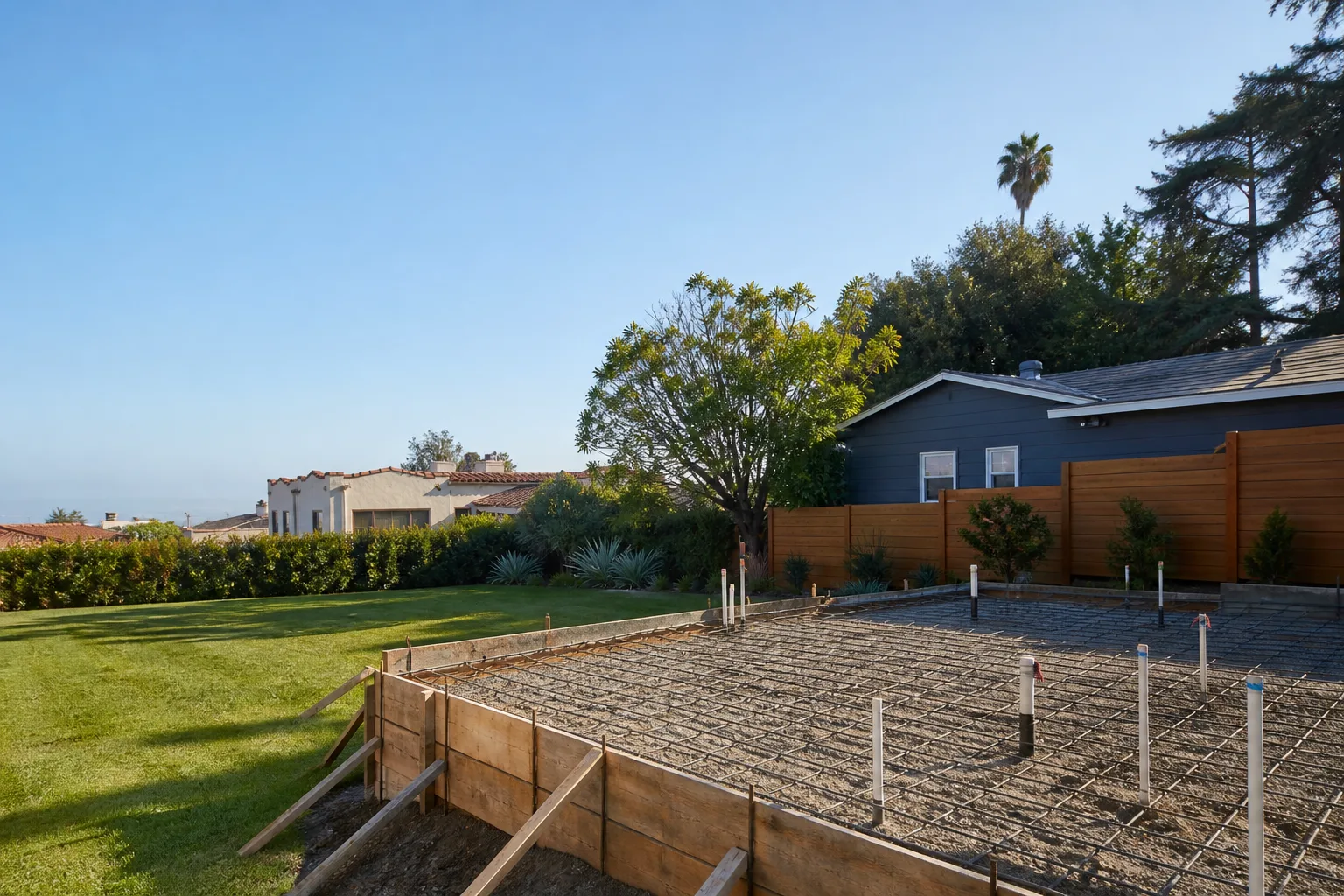
Site prep and utility work for a Cover ADU in Pasadena typically runs $12,000 to $28,000 depending on lot conditions, trenching distance, and whether you need a panel upgrade or new sewer lateral. We stock the common components, line up the city inspections, and pull the permits so the build doesn’t stall at the foundation stage. Most Pasadena owners discover their site prep is failing or incomplete when the Cover delivery team shows up and the pad isn’t grade, the gas stub is in the wrong place, or the electrical service can’t carry the unit’s load.
That’s the moment the schedule slips and the price moves. It doesn’t have to go that way. We’re Fielding ADU Pasadena, an independent service provider not affiliated with Cover, but we’ve prepped, trenched, and connected enough Cover units in this city to know exactly what the assembly team needs before their crane day.
Which Cover Models This Applies To
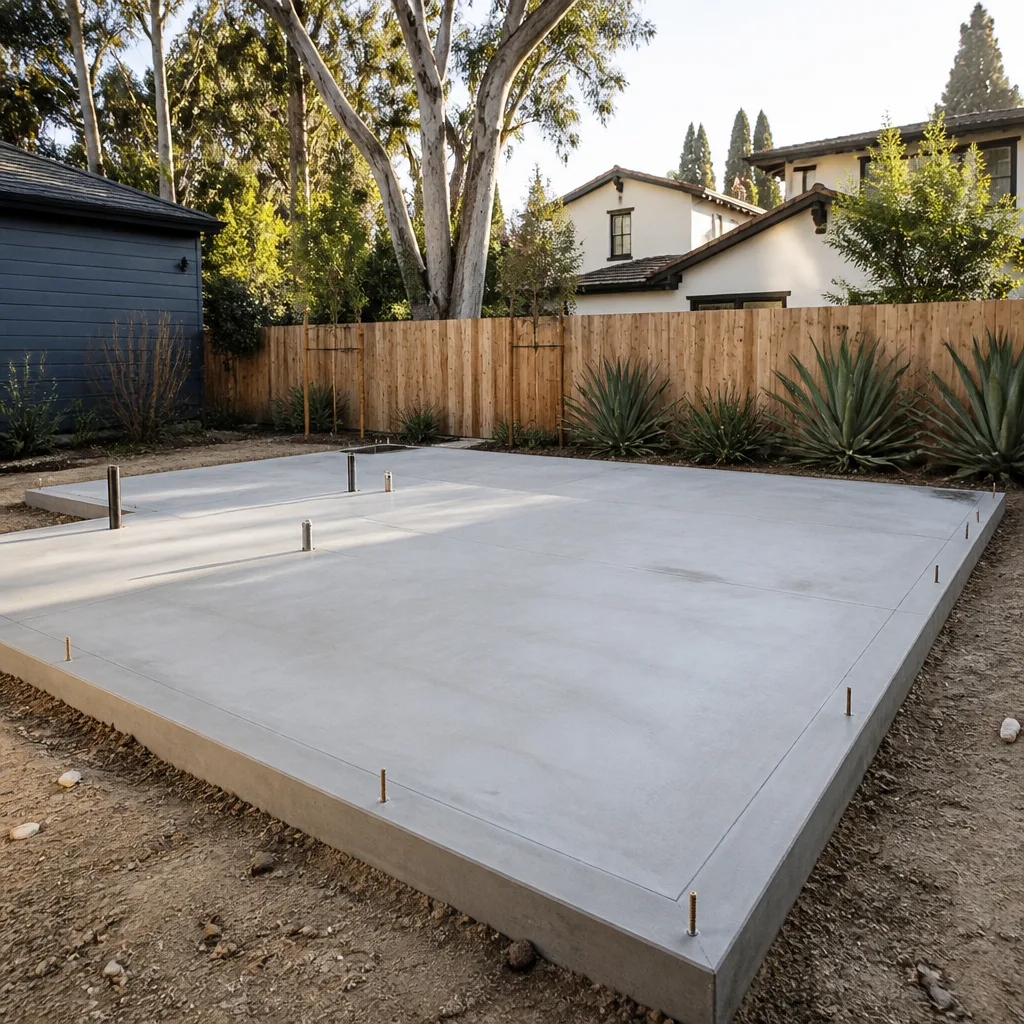
Cover builds panelized units in two standard widths: the Cover Studio at roughly 12 feet wide and the Cover One at 14.5 feet wide. Both sit on either a slab-on-grade foundation or a pier-and-beam system depending on your soil. What matters for site prep isn’t the interior floor plan; it’s the utility point locations baked into the factory drawings. Each Cover unit ships with a fixed utility core: the electrical main, water supply, and sewer stub locations are set at the factory and don’t move. If your trench is 18 inches off the spec, you’re re-trenching.
Before you buy any site work or parts, get the Cover Site Requirements Package for your specific unit. It lists exact utility stub locations, required service amperage, and pad dimensions. We match that document line by line. For OEM components like the factory-specified water shutoff and the electrical meter can, we order through the unit’s spec sheet. For standard underground components like Schedule 40 conduit, PEX supply lines, and ABS drain pipe, quality aftermarket equivalents from suppliers like Ferguson or Hirsch Pipe & Supply in Pasadena meet or exceed the spec at a better price. We’ll show you the part numbers and the price difference before we order.
Signs Your Cover Site Prep & Utilities Is Failing
- Water pressure drops when two fixtures run at once. This usually means the supply line was undersized for the unit’s peak demand, or the pressure regulator at the main wasn’t set for the added load. A 3/4-inch line is the minimum we run for a Cover unit; older lots in Pasadena sometimes only have a 1/2-inch stub at the meter.
- The pad is pooling water after rain. In Pasadena’s winter wet season, a pad that wasn’t compacted to 95% or graded with the right slope will hold water against the unit’s sill plate. That leads to moisture wicking up the wall assembly. Fixing it means regrading and sometimes cutting in a French drain.
- Breakers trip when the mini-split and water heater run together. A Cover unit with an electric water heater and mini-split HVAC can pull close to 60 amps by itself. If the existing panel was left at 100 amps and it’s also feeding the main house, the math doesn’t work. You need a load calculation and likely a 200-amp panel or subpanel feed.
- The sewer line backs up after heavy use. This points to a sag in the lateral, a bad transition from the unit’s 3-inch line to the main, or root intrusion in an older clay line under the yard. Pasadena’s many pre-1960 homes still have clay laterals, and we’ve pulled roots out of lines a few blocks from the Huntington Library more times than we can count.
- The unit sits out of level by more than a quarter inch over ten feet. Cover’s panel system works on tight tolerances. If the pad or piers settled after the pour, the factory joint lines start to bind, doors stick, and the warranty conversation gets complicated. Settlement usually traces back to soil that wasn’t compacted in lifts or a pad poured on uncompacted fill.
Replacement Cost & What’s Included
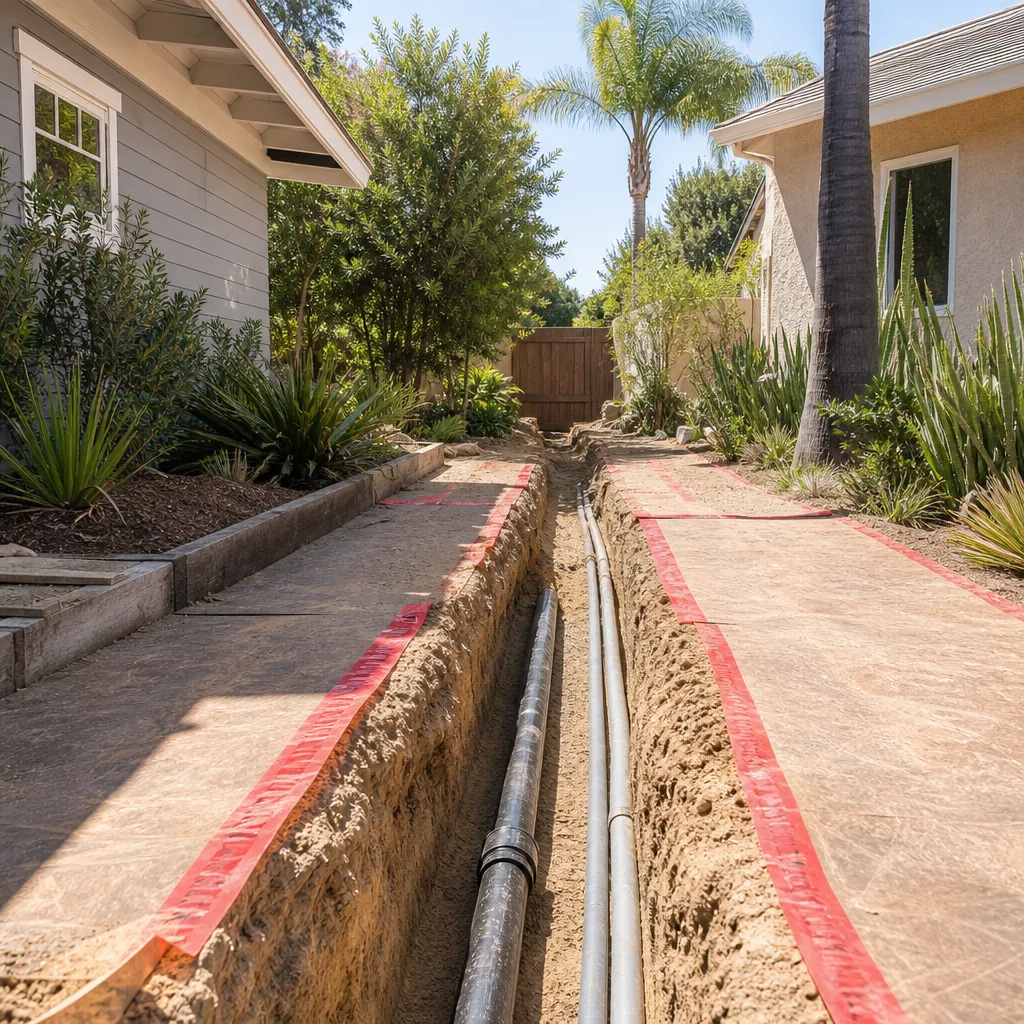
Here’s what we quote in Pasadena, written line by line before any work starts:
- Site grading and pad compaction: $4,000 to $9,000 depending on access and how much fill needs to be removed or brought in.
- Utility trenching (water, sewer, electrical in one trench): $3,500 to $7,500 depending on distance from the main house and whether we’re cutting through concrete or root-heavy soil.
- Electrical panel upgrade to 200 amps: $3,500 to $6,000 if your existing service is undersized.
- Sewer lateral replacement or repair: $2,500 to $8,000 depending on depth, length, and whether the city tap needs replacement.
- Water line from meter to unit: $1,500 to $4,000 based on run length and meter location.
The price you approve is the price you pay. We don’t do change orders when we hit a rock. If we find something unexpected during the dig, we stop, bring you out to look at it, and give you a written number before we go further. Every part and every hour of labor goes on the invoice in plain English. The work is covered by our written one-year guarantee: if the site prep or utility connection fails within 365 days, we come back and correct it at no charge.
DIY or Call Us?
Honest answer: you can do the visual checks. Walk the pad after rain. Run two fixtures at once and watch the pressure. Look for cracks in the stem wall or gaps at the sill plate. Those are the things that tell you something’s wrong.
What you shouldn’t do is open a live panel, dig a trench across your own yard without calling 811, or attempt to move a sewer stub. Digging into a buried PG&E or SoCal Gas line is how people get hurt. Trenching in Pasadena also requires a city encroachment permit if you’re cutting the sidewalk or working in the parkway, and doing it unpermitted gets you a stop-work order faster than you’d think. If your Cover unit’s site work needs to be corrected or completed, call (626) 657-5541. We’ll tell you over the phone whether it’s something you can handle or something we need to put in writing and fix properly.
FAQs
A correctly compacted pad and properly sized underground utility run should last the life of the unit, which is 50 years or more. The components that wear faster in Pasadena’s dry, hot summers are the above-ground ones: the pressure regulator, the shutoff valve packing, and the main breaker. Expect to service or replace those every 10 to 15 years. Call (626) 657-5541 if your unit is approaching that age and you’re seeing pressure dips or nuisance tripping.
Sometimes. If the pad has settled in one corner, mudjacking or polyurethane foam injection can bring it back to level for $1,500 to $3,000, and we do that on smaller corrections. If the settlement is widespread or the pad wasn’t compacted properly from the start, patching it just buys you a year or two before the same cracks come back, so we’ll tell you straight when a repour is the honest fix. Call us at (626) 657-5541 and we’ll give you a straight read on which one applies to your lot.
Most utility corrections and pad rebuilds in Pasadena take 5 to 10 working days from first dig to final inspection. That includes the 811 utility locate, the trench work, the pad pour or compaction, and the city inspection. If Pasadena’s building department is backed up, the inspection can add a few days that are outside our control. We’ll give you a schedule in writing before we start, so call (626) 657-5541 to get a real date range for your specific site.
We stock the common consumables: Schedule 40 conduit, PEX supply line in 3/4-inch and 1-inch, ABS drain fittings, meter cans, breakers, and pressure regulators. For Cover-specific components like the factory-specified utility stub assemblies, we order direct from the spec sheet with a 3 to 5 business day lead time. We also keep parts compatibility in view for Abodu and Dvele units, so if you’ve got a different prefab on your lot, we can usually cross-reference what’s needed. Call (626) 657-5541 and tell us your unit model; we’ll confirm what’s on the truck and what needs a trip to the supply house.
Written by Reed Calloway, Owner, Fielding ADU Pasadena at Fielding ADU Pasadena, serving Pasadena and nearby areas.