James Hardie Site Prep & Utilities: The Pasadena Owner’s Guide
Site prep and utility work for a James Hardie siding or trim installation in Pasadena typically runs $1,200 to $4,800 depending on what’s already in the ground, what the city wants documented, and how much of the existing surface has to come out before new material goes up. We stock the flashing, drainage mat, rain-screen battens, and utility disconnects that James Hardie installations call for, and most Pasadena jobs finish within two to four working days once the trenching or surface prep clears inspection. If you’re here, you’ve probably already hit the point where a siding crew told you the existing stucco ledge, irrigation line, or meter clearance won’t pass, and now you’re trying to sort out what fixing it actually costs.
We’re an independent Pasadena contractor, not a James Hardie dealer or affiliate. We install and service the products, but nobody’s paying us to push them. That’s the only way this page stays useful to you.
Key Takeaways
- Site prep and utility work for James Hardie jobs in Pasadena is priced in writing before we start.
- We match materials to your specific James Hardie product line, including HardiePlank lap siding, HardiePanel vertical siding, and HardieTrim boards.
- The two most common failures we see in Pasadena are drainage-plane gaps behind the siding and corroded meter or irrigation utility boxes that sit too close to the new wall line.
- If the prep work fails within 365 days, the written guarantee means we come back and fix it at no charge.
Which James Hardie Models This Applies To
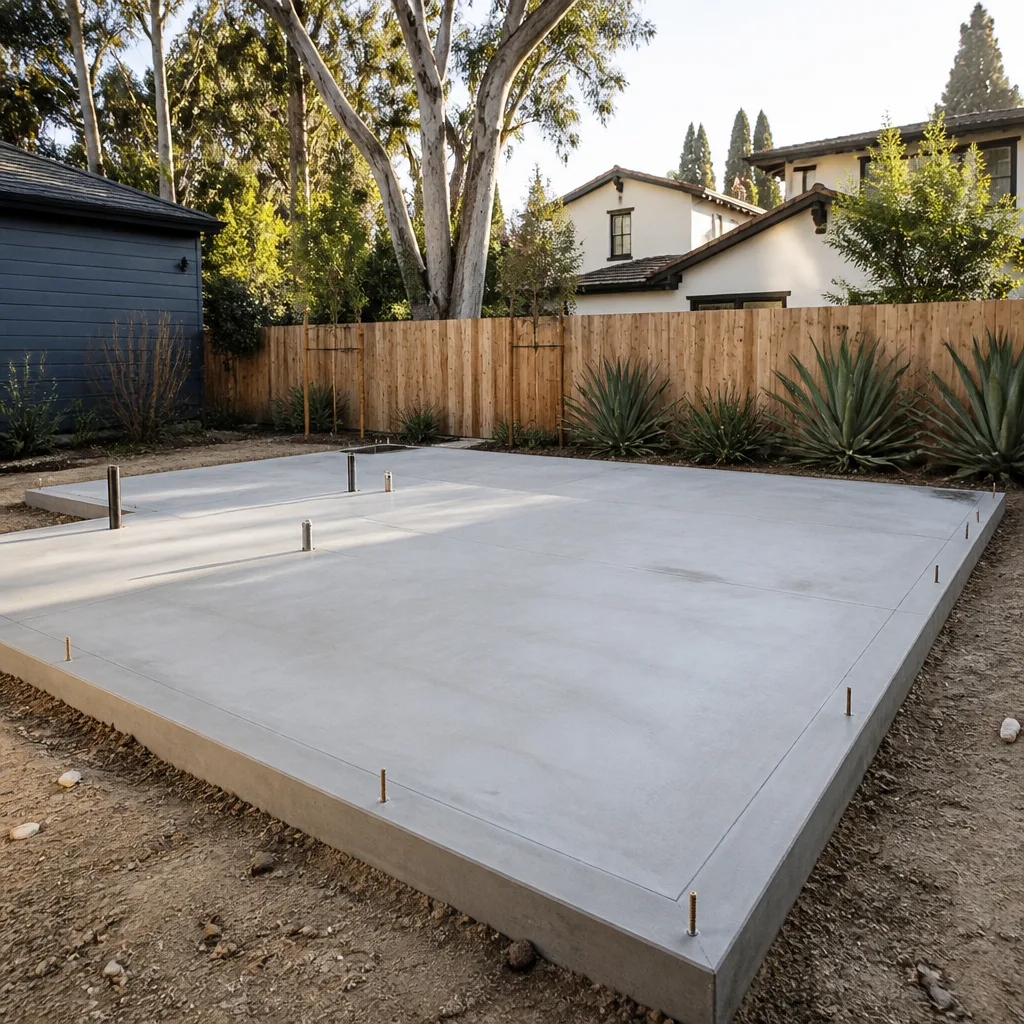
The site prep and utility requirements depend on which James Hardie product you’re installing or repairing, but the framework is similar across the board. Here’s how we match the work in Pasadena.
HardiePlank lap siding needs a flat, code-compliant substrate, a weather-resistant barrier (WRB) behind it, and clearance from grade. In Pasadena, that clearance is measured from the bottom edge of the siding to the finished soil level. The city’s been particular about this in older neighborhoods like Bungalow Heaven and Madison Heights, where stucco or wood siding often sits too close to the ground after decades of landscape build-up.
HardiePanel vertical siding and HardieTrim boards have different flashing requirements at window heads, door jambs, and horizontal butt joints. The fastening schedule changes with wind exposure, which matters on Pasadena hillside lots where the exposure rating jumps from B to C quickly.
On the parts question: James Hardie’s own branded flashing and joint treatment products are quality, but they’re not always the most practical option in the field. We regularly use GCP Vycor or Protecto Wrap flashing tape, Tamlyn or Boral trim accessories, and Simpson Strong-Tie clips where the engineering calls for them. The aftermarket parts here are not cheap substitutes. They’re the same products commercial crews across Southern California spec. What matters is compatibility with the specific James Hardie profile and the Pasadena building code, not whose name is on the box.
If you have the original contractor’s scope or the siding order, the product codes matter: HZ10 for standard lap, HZ5 for the 5-inch exposure, and the panel series codes that identify thickness and texture. We can match parts from the label or from a photo and a measurement. You don’t need to become an expert overnight. You need someone who already is one.
Signs Your James Hardie Site Prep & Utilities Is Failing
Most Pasadena homeowners don’t discover site prep problems until the siding or trim starts talking. Here’s what we find on service calls.
- Bottom edge of HardiePlank sitting at or below grade. This is the most common issue we see in Pasadena’s older neighborhoods. James Hardie requires clearance between the siding’s bottom edge and the soil. When the gardening years bury that gap, moisture wicks up into the product, and the warranty’s done. The fix is site work: regrade or cut back, then reset the starter course.
- Efflorescence or white chalking at butt joints. That’s water moving behind the siding and carrying minerals out through the seam. The cause is typically missing or failed joint flashing. The part is cheap; the labor to expose the joint and seal it properly is where the real cost sits.
- Warped or buckled HardiePanel near a hose bib or meter box. An irrigation line that leaks at the stub-out or a utility penetration that was never flashed will soak the back side of the panel. The panel eventually cups, and no amount of additional fastening fixes it. The utility work comes first.
- Rust stain running down from a service panel or conduit clamp. That’s galvanic corrosion from a dissimilar metal touching the Hardie product or the fastener. In some Pasadena hillside applications, the wrong fastener behind a utility strap starts this within two or three years.
- Caulk line at trim-to-siding joints cracking or peeling repeatedly. That means the two materials are moving at different rates and the joint was never designed for movement, or the surface was never prepped for sealant adhesion in the first place. Re-caulking without fixing the underlying prep is a band-aid.
None of these are cosmetic problems that go away on their own. Each one traces back to site prep or utility clearance, and each one gets more expensive the longer it sits.
Replacement Cost & What’s Included
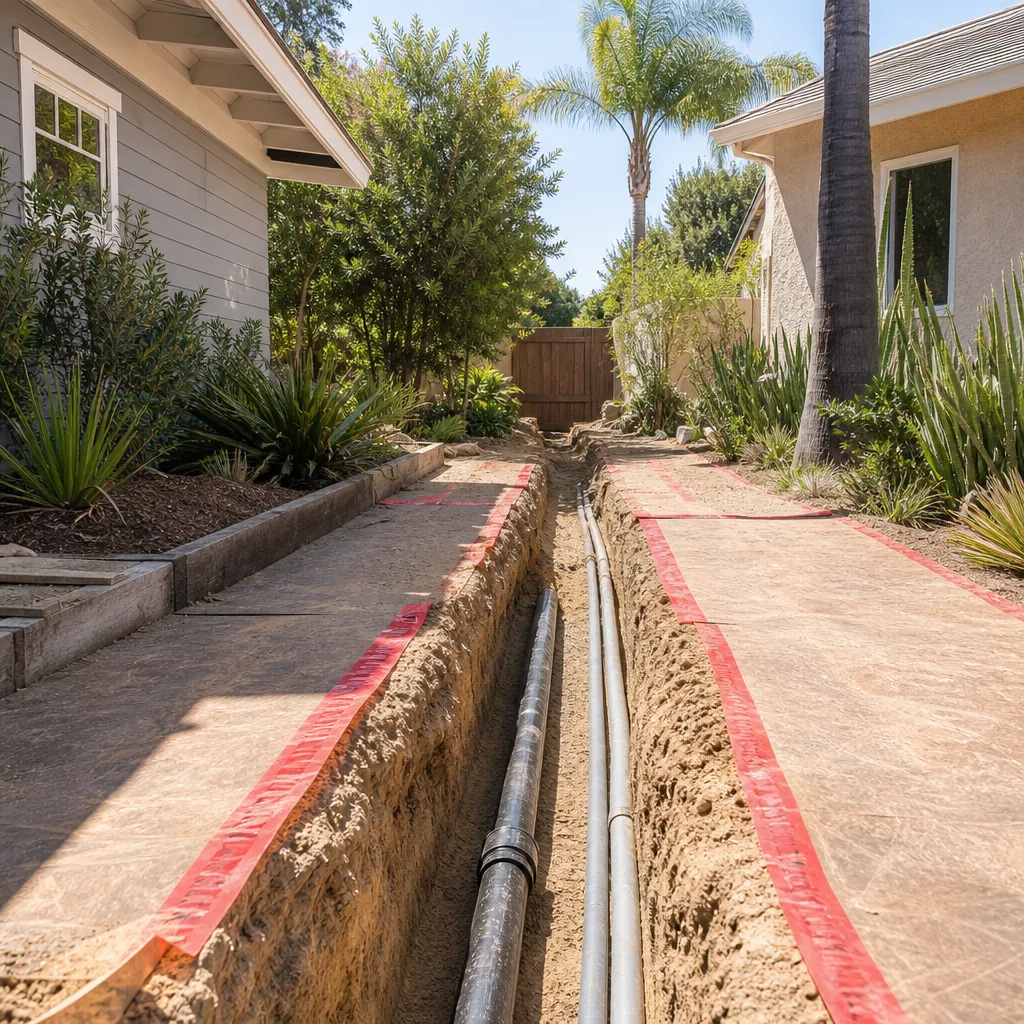
In Pasadena, we price the work in writing before anything starts. That’s the whole approach, and it’s the only way we build.
Here’s how site prep and utility costs break down on a typical James Hardie repair or replacement project:
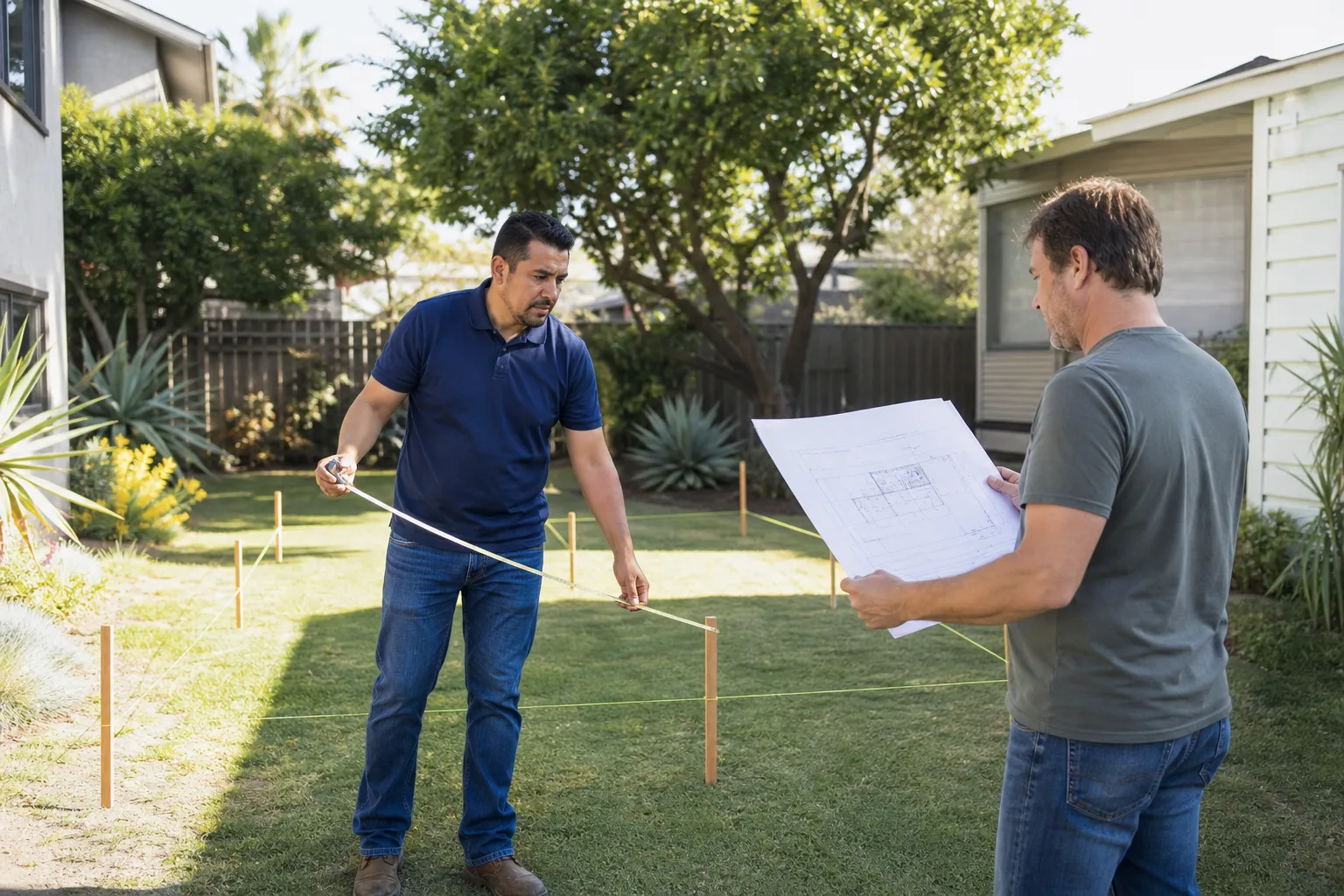
- Site assessment and written scope: $0. We come out, look at the problem, measure the affected area, and hand you a line-item written price. No charge.
- Simple regrade and starter-course reset: $1,200 to $2,400, depending on access, fence lines, and how much soil has to move.
- Flashing and joint repair behind existing HardiePlank: $1,800 to $3,500, depending on how many linear feet of siding comes off to access the problem.
- Utility box relocation or weatherhead/riser clearance work: $2,200 to $4,800. This one’s the wildcard in Pasadena because the city may require a plan check or a utility provider’s sign-off before we can move anything attached to a meter or panel.
- Full removal of failed prep, new WRB, rainscreen, and re-installation: $6,000 and up, but this is rare unless water damage is extensive.
What’s included on every number: the materials, the labor, the cleanup, the permit and inspection coordination when required, and the written one-year guarantee. What’s not included: structural repairs we can’t see until the siding’s off. If we open a wall and find rot in the framing, that’s a separate written change order, priced the same way, before we touch it. No surprises, no “while we’re in there” invoices. The number you approve on day one is the number on the final invoice unless the wall itself has a problem no one could see.
DIY or Call Us?
There’s a small set of checks any Pasadena homeowner can do without much risk.
Walk the perimeter and measure the gap between the bottom of the siding and the soil at the lowest point. If it’s less than 6 inches on the flat lots, or 2 inches on a paved surface, you’ve found at least one reason the product’s failing. Check for sprinkler heads that spray the wall directly. Look for garden soil mounded against the siding. Those are the things you can correct this weekend with a shovel and a sprinkler adjustment.
What you should not touch: anything involving the electrical service near the wall, the gas meter, or any trenching deeper than a planting bed. Utility work in Pasadena means clearances, utility locates before we dig (that’s a free 811 call, but it’s a call we make and document), and in many cases a city permit. A homeowner guessing at this can create a genuine safety problem. High-tension is not the only danger here; an incorrectly relocated meter or panel can arc, overheat, or fail inspection and cost twice as much to correct.
If what you’re seeing involves rust at a conduit, a panel that sits flush against siding, or a gas line that runs along a wall you want to side over, call (626) 657-5541 and tell us what you’re looking at. We’ll tell you straight whether it’s a shovel job or a site visit job.
FAQs
Done correctly, the drainage plane, flashing, and utility clearances should last the service life of the siding itself, which is 30 years or more when installed to spec. What fails in Pasadena is the same thing that fails everywhere: shortcuts from the original installer. If your siding is 10 to 15 years old and showing joint or bottom-edge problems, the prep was never right from day one, and your best move is to correct it now before the framing behind it starts to rot. Call (626) 657-5541, and we’ll look at it and give you a written price for the fix.
Often, yes. If the problem is isolated to a bottom-edge gap, a single wall’s flashing deficiency, or a utility penetration, we can partially remove the affected siding, correct the prep, and reinstall the same boards if they’re still sound. James Hardie products are cementitious, so they don’t rot like wood, which means the material is frequently reusable. The decision comes down to how the boards were fastened originally and whether we can get them off clean.
Most Pasadena jobs finish in two to four working days once the scope is approved and any required permit is in hand. Utility relocation work adds time for the city or utility provider’s review, which varies after the unusual weather events Pasadena gets every few years. We’ll give you a schedule in the written price, and we’ll hit it.
We stock the consumables: flashing tape, WRB, rainscreen battens, the correct fasteners, sealants, and utility clearance hardware on our trucks. James Hardie siding and trim products are ordered per job from local Pasadena-area suppliers, typically L&W Supply or All-Tex. If it’s a product line we don’t have a relationship with yet, Abodu, Cover, Dvele, and similar prefab platforms sometimes have their own integrated flashing details. We handle those too, and we’ll tell you in the written scope exactly which product is going where and why.
Put it in writing, then do what it says. That’s the standard we build to, and it applies to a $1,200 regrade or a full utility relocation.
Written by Reed Calloway, Owner, Fielding ADU Pasadena at Fielding ADU Pasadena, serving Pasadena and nearby areas.